Do Coloradans Care About Women's Health and Safety?
Later abortions carry significant risk of medical harms to women, which are amplified by a facility which the state does not inspect or regulate, as mandated for other healthcare facilities. Colorado has at least five unregulated 2nd/ 3rd trimester abortion facilities. Abortion complications are not reported, and deaths are combined with maternal deaths. Voluntarily collected abortion statistics are hidden from the public’s eye, There is no accountability. No safety provisions to protect women. As an abortion destination state, women, including minors, travel to Colorado for abortions completely unaware of the dangers they face.
See the Resources Below
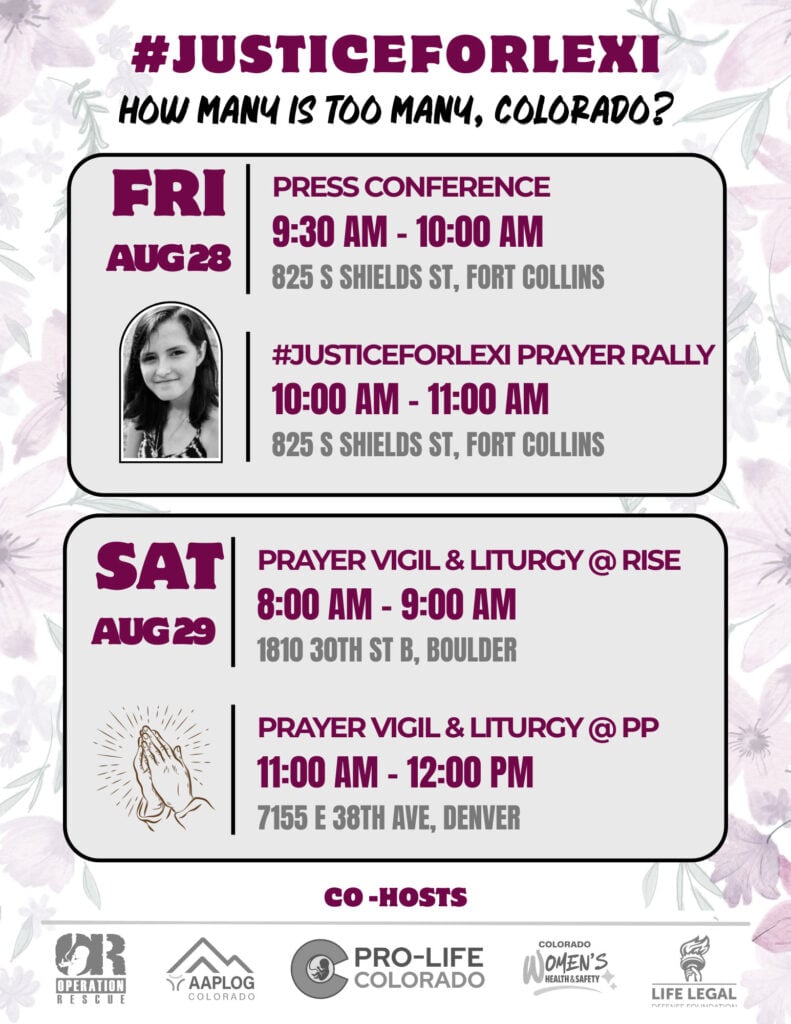
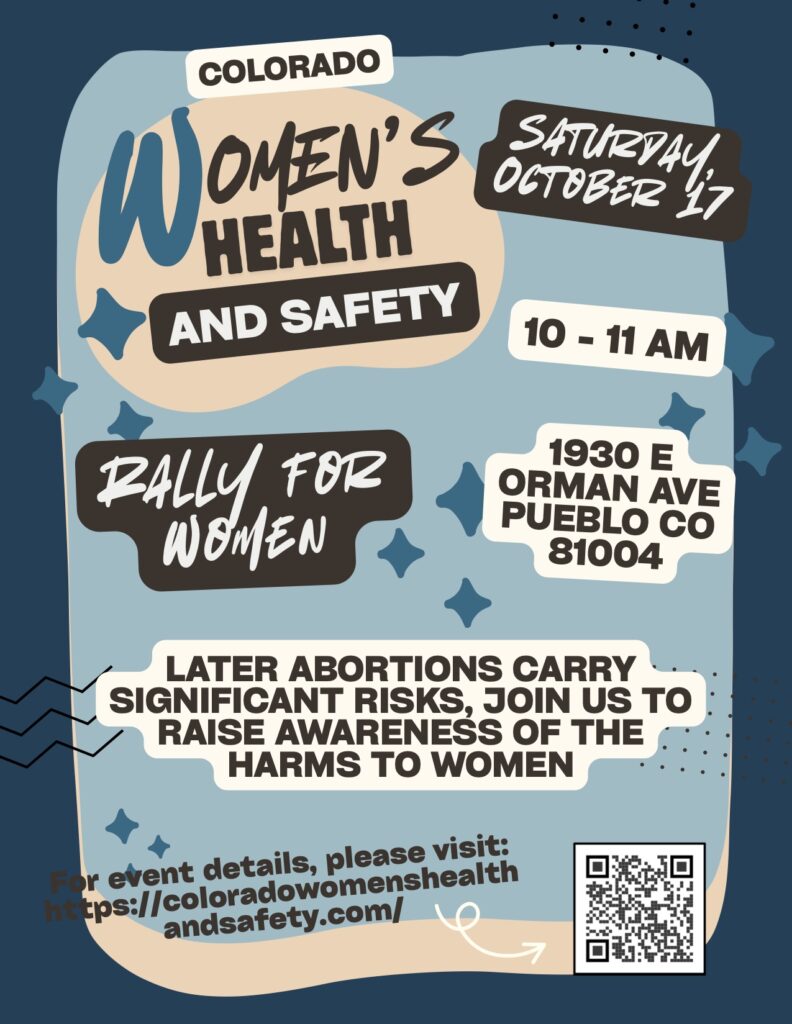
Upcoming Events
AAPLOG Colorado’s Statement on Lexi Arguello’s Autopsy
June 19, 2026
Lexi Arguello’s death February 6, 2025 in Fort Collins, Colorado, was a tragic loss to her family and those who knew her, and we extend our sincere sympathy.
Despite the abortion industry’s repeated claims that abortion is “safe and effective” and “essential healthcare,” Lexi’s tragic death reflects the stark reality to the contrary. These mantras presume that high-quality care is provided by qualified medical professionals in facilities that meet medical safety standards appropriate for the risk of the procedures provided. Most people seeking abortion assume that because abortion is often called “healthcare,” the facility is licensed and regulated, and that there is a government authority that investigates poor outcomes, including deaths. This is not the case in Colorado.
Abortion facilities are not simply clinics. Most medical offices, except rural community clinics and federally qualified clinics, are not regulated by the Department of Health, because they do not perform procedures with significant risk. Facilities that perform second and third trimester abortions are performing high-risk procedures, and they should be licensed, regulated, and inspected at least comparably to other facilities performing outpatient surgeries and inductions of labor with complex delivery.
While later abortions are sold to the public as necessary for a woman’s health, or anomalies of the baby, in Arizona, one of the few states that reports statistics, 80% are performed on healthy women and healthy babies. Induced abortion complications and deaths are especially tragic, because a risky surgical procedure is being performed with no medical indication or diagnosis. Medical professionals are ethically responsible for informing their patients of risk/ benefit considerations as part of informed consent: is the risk of the procedure outweighed by the medical benefit of the procedure? There is no medical benefit for women undergoing elective abortion, only the risk of harm. Every complication from induced abortion is specifically caused by the drug or medical procedure (iatrogenic). Abortions after the first trimester are especially risky, with exponentially increasing risk for each additional week of pregnancy.
For Lexi, her risk from the abortion was ultimately death. If a young woman died from elective plastic surgery, people would be in an uproar. Instead, the coroner attempted to hide the facts surrounding Lexi’s death from the public so that other women wouldn’t be deterred from seeking “reproductive healthcare.” Women deserve to know the whole truth about the risks of induced abortion before making such a consequential decision, which may include death.
The coroner concluded that her death was directly caused by the late second-trimester abortion. His medical opinion was that the probable diagnosis was “amniotic fluid embolism.” This is not a definitive diagnosis, but one made by exclusion of other possible diagnoses. Amniotic fluid embolism (AFE) is an extremely rare event which is unique and specific to the circumstances of a delivery or induced abortion. Factorsi that are associated with AFE, which are present in a second trimester induced abortion, include trauma to the uteroplacental interface by instruments, induction of labor – often used for cervical dilation in later abortions, and premature gestational age.
While we cannot know for certain, it is highly unlikely that she would have suffered an amniotic fluid embolus from natural childbirth at term. Among the most important factors for survival from AFE are the promptness of recognition, and rapidity of access to ICU care and blood products. The coroner does not comment on her medical records from the abortion facility, whether there were delays in transport, appropriateness of management prior to arriving at the hospital, or other medical details.
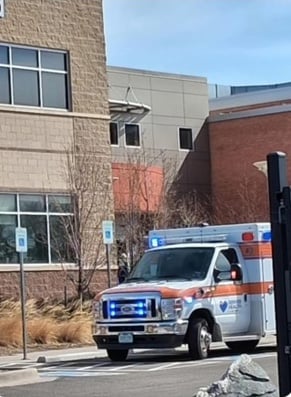
Last year, there were at least seven ambulance transfers of women from the same Fort Collins abortion facility to the local hospital. This year there have already been at least five ambulance transfers. In Colorado, the Colorado Department of Health (CDPHE) has no authority to investigate.
When will Coloradans and legislators wake up to the harms that are happening to women from later abortions complicated by lack of CDPHE oversight, in addition to the death of babies that are often capable of surviving if they are delivered and provided appropriate care? How many more women must die?
Colorado citizens deserve to know the harms that are happening to women and children in our state. Colorado legislators have a duty to protect women and must not exempt abortion facilities from the standards applied elsewhere in medicine. Facilities performing abortions after the first trimester should be licensed, regulated, and subject to oversight just like other healthcare facilities performing procedures of similar complexity and risk.
Articles
The perils of Colorado’s unregulated abortions | Guest Column
By Tom Perille
How did the movement which grew out of a genuine concern for the health and safety of women become the same movement that undermines women’s health and safety today? Despite good intentions, it was a long route marred by misinformation, uncritical commitment to ideology, and lack of transparency…
Park Hill Planned Parenthood: 7155 E 38th Ave, Denver, CO
2026-current
3/10/26: High heart rate
4/7/26: Code 37CO2 (serious): chest pain into back
5/27/26: Bleeding “extensively,” “Serious” bleeding
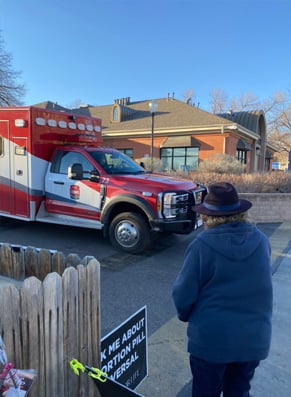
Fort Collins Planned Parenthood: 825 S. Shields, Fort Collins, CO
2025-current (verified by Operation Rescue):
January 4, 2025: Charlie Medical (Possibly life-threatening)
February 6, 2025: Lexi A., demise
February 20, 2025: possibly hypotensive, upgraded to “emergent”
March 19, 2025: Pain
April 3, 2025: Charlie Medical
April 4, 2025: Charlie Medical
May 15, 2025: Bleeding and chest pain
May 16, 2025: Delta Medical (serious life-threatening, one level below imminent death; allergic reaction)
January 29, 2026: Charlie Medical, hemorrhage
March 11, 2026: “Heavy” bleeding
April 10, 2026: Charlie Medical, one day post-abortion
July 10, 2026: Hemorrhage, bring bloodii
Ambulances
Upcoming & Past Events
Boulder
1810 30th Street, Boulder, CO 80301
Aurora
1421 South Patomac St, Aurora, CO 80012
Ft. Collins
825 S Shields St, Fort Collins, CO 80521
Colorado Springs
3480 Centennial Blvd, Colorado Springs, CO 80907
Pueblo
1930 E. Orman Ave, Pueblo, CO
What You Can Do
Sign On-Line Petition
Sign the on-line petition asking the owner to terminate the lease to RISE collective
Contact Legislators
Contact legislators to support policy protecting women by passing abortion facility oversight and regulation by Colorado Department of Health.
Share with Everyone You Know
Share this information with everyone you know, and ask to join. Post on social media.
Ask Community Groups & Church
Ask to host an educational and resource event to learn about abortion in Colorado, and resources available to women.
Rally for Women
Rally for Women at the site, with provided literature. Specific information will be listed at the website as events are arranged.
Resources
Reason to Oppose Second & Third Trimester Abortion Facilities in Your Community
Abortionists Accused of Causing Harm and the Harms of Lack of Regulation
Challenges to the Health and Safety of Women Undergoing Second and Third Trimester Abortion – The Case for State Oversight of Late Abortion Facilities
November Boulder Event Recordings
Opening Remarks:
Giuliana Day
History of Abortion in Colorado and Boulder:
Susan Gills
Two Lives Lost to Abortion:
Keri Kasun
My Experience as Planned Parenthood Clinic Manager:
Mayra Rodgriguez
Later Abortion and Impacts on Women's Health:
Catherine Wheeler, MD
Unregulated Abortion in CO Fails to Assure Women's Health and Safety:
Tom Perille, MD
Perinatal Hospice for Newborns with a Life-limiting Diagnosis:
Deanne Wikler, RNC-OB
Resources Available to Women with Challenging Second and Third Trimester Pregnancies:
Yvonne Williams
What Can, and Must, We Do?
Giuliana Day
Petition
Terminate the lease agreement for the abortion facility that puts women's health and safety at risk.
New Abortion Facility: RISE Collective, acronym for Reproductive Health, Inclusive Care, Support and Empowerment, was established with former staffers of abortionist Warren Hern, with the goal of reopening an all-trimester abortion facility in Boulder by the end of 2025.
The facility is now open and scheduling abortions. RISE Collective Representatives indicated that their focus at the beginning would be solely on late-term abortion, and eventually, expand to abortion through all three trimesters of pregnancy.
Unregulated: Colorado lacks minimum health standards for abortion facilities. In fact, abortion facilities performing second- and third-trimester abortions are not licensed, regulated, or inspected by the Colorado Department of Public Health and Environment (CDPHE), despite the high-risk procedures involved.
Facts: After the first trimester, life-threatening hemorrhage and uterine perforation with injury to surrounding organs occur much more frequently. One of every 10 second-trimester surgical abortions result in complications, with 1.7% life-threatening. This is far higher than procedures done in regulated ambulatory surgical facilities.
High Risks: Second and third trimester abortions carry exponentially increased risks of maternal morbidity and mortality
Procedures in the second and third trimesters typically involve dilation and evacuation (D&E) or D&X variants with substantially higher rates of complications and even death.
Reputational and Economic Exposure: Your association with RISE Collective, a high-risk, unregulated abortion facility not only raises profound ethical concerns—it also exposes you to significant reputational, financial, and legal liability.
There are ample precedents: facilities and landlords associated with abortion facilities have faced boycotts, protests, community outrage, and investigative scrutiny, even when not directly involved in their operations:
Should a catastrophic event occur in your building—especially one preventable by regulation—You could be portrayed as complicit in hosting unsafe medical practices, face public condemnation, and investigative media attention tying landlords to medical negligence.
We believe that RISE Collective abortion facility is in direct contravention of women’s health and safety in Boulder and surrounding cities.
We respectfully urge you to:
- Terminate your lease relationship with RISE Collective Abortion Facility.
- Publicly reaffirm your commitment to safe, regulated, life-affirming care.
- Engage community partners in offering alternative support services for pregnant women.
Firme la Petición
Terminar el contrato de arrendamiento del centro de abortos que pone en riesgo la salud y la
seguridad de las mujeres.
El nuevo centro de abortos: RISE Collective, acrónimo de Salud Reproductiva, Atención Inclusiva, Apoyo y Empoderamiento, se fundó con ex-empleados del médico abortista Warren Hern, con el objetivo de reabrir un centro de abortos en Boulder a finales del 2025.
El centro ya está funcionando y programando abortos. Representantes de RISE Collective indicaron que, inicialmente, se centrarían exclusivamente en el aborto tardío y, posteriormente, ampliarían sus servicios hasta los nueve meses del embarazo.
No regulación: Colorado carece de estándares mínimos de salud para los centros de aborto. De hecho, los centros que realizan abortos en el segundo y tercer trimestre no están autorizados, regulados ni inspeccionados por el Departamento de Salud Pública y Medio Ambiente de Colorado (CDPHE), a pesar de que estos procedimientos son de alto riesgo.
Hechos: Después del primer trimestre, las hemorragias son potencialmente mortales y las perforaciones uterinas con lesiones a los órganos circundantes ocurren con mucha mayor frecuencia. Uno de cada diez abortos quirúrgicos en el segundo trimestre presenta complicaciones, de las cuales el 1,7 % son potencialmente mortales. Esta cifra es mucho mayor que la de los procedimientos realizados en centros quirúrgicos ambulatorios regulados.
Riesgos elevados: Los abortos del segundo y tercer trimestre conllevan riesgos exponencialmente mayores de morbilidad y mortalidad materna.
Los procedimientos del segundo y tercer trimestre suelen incluir dilatación y evacuación (D&E) o variantes de D&X, con tasas de complicaciones e incluso muerte sustancialmente mayores.
Responsabilidad reputacional y económica: Su asociación con RISE Collective, un centro de aborto no regulado y de alto riesgo, no sólo plantea profundas preocupacione éticas, sino que también lo expone a una importante responsabilidad reputacional, financiera y legal. Existen numerosos precedentes: las instalaciones y los propietarios asociados con centros de aborto han enfrentado boicots, protestas, indignación comunitaria e investigaciones, incluso sin estar directamen te involucrados en su funcionamiento. Si ocurriera una catástrofe en su edificio, especialmente una que pudiera prevenirse mediante la regulación, usted podría ser tachado de cómplice por albergar prácticas médicas inseguras, enfrentar la condena pública y la atención de los medios de comunicación, que vincularían a los propietarios con negligencia médica.
Creemos que el centro de aborto RISE Collective atenta directamente contra la salud y la seguridad de las mujeres en Boulder y las ciudades aledañas.
Le instamos respetuosamente a:
- Rescindir su contrato de arrendamiento con el centro de aborto RISE Collective.
- Reafirmar públicamente su compromiso con una atención segura, regulada y que promueva la vida.
- Colaborar con organizaciones comunitarias para ofrecer servicios de apoyo alternativos a las mujeres embarazadas.